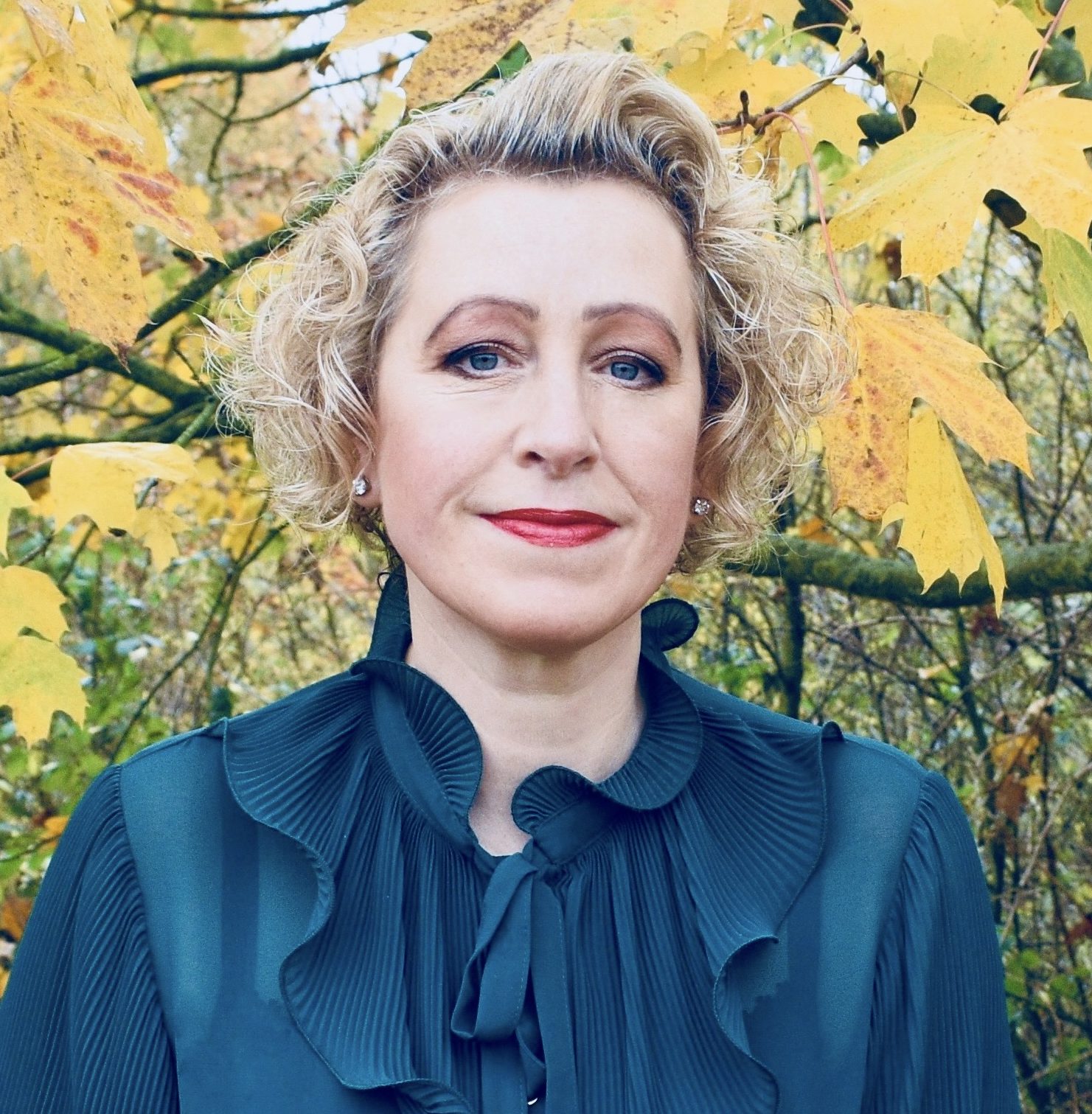
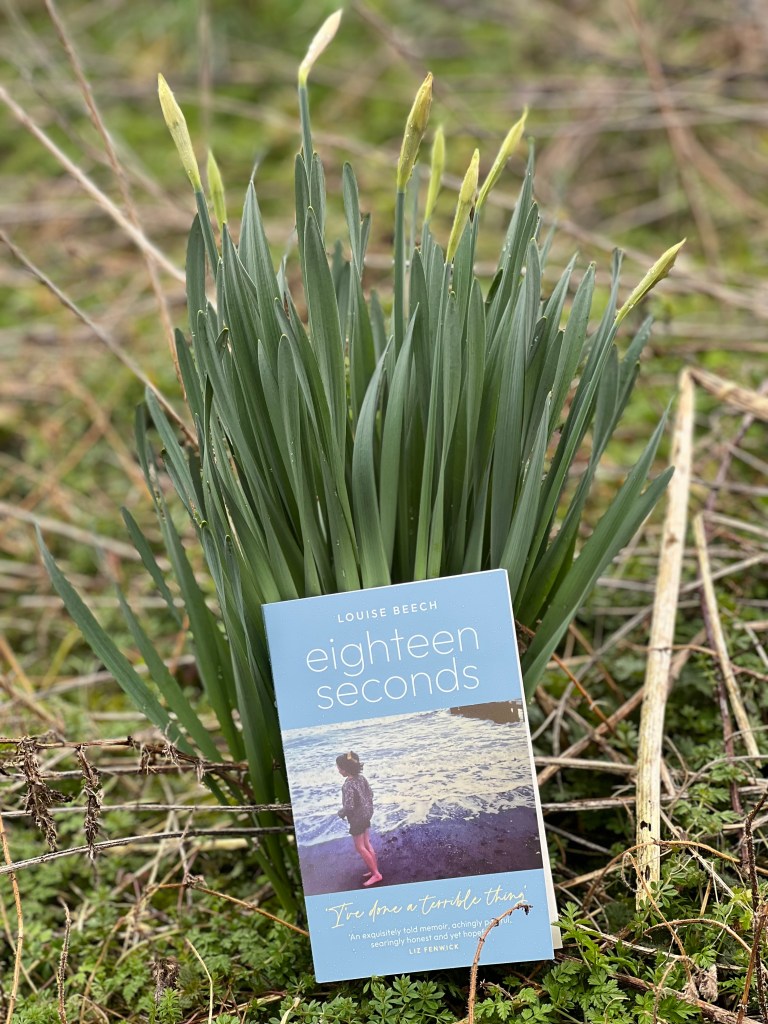
One of the most challenging – but ultimately rewarding – books I’ve written in my now ten-year career as an author is my memoir, Eighteen Seconds. It began in the wake of my mother’s shocking bridge jump, at a time when her recovery meant my life was on hold. It was the story that choked me when I woke too early, kept me sleepless at night, and impacted me (and my poor family) physically, mentally and emotionally because it shot me right back to a painful childhood. The only way to push through was to write it. It was how I’d always coped. The words. The page. At first, as the usual drive took hold, I wrote it for myself. As therapy. My family contributed their thoughts, read the chapters as I went, offered suggestions and opinions. Then, it went to my beta readers. And many of them suggested this story should go further. I should share it with other readers. A publisher. The world. It could help so many, they said. Inspire conversation about survival and trauma. So, I did.
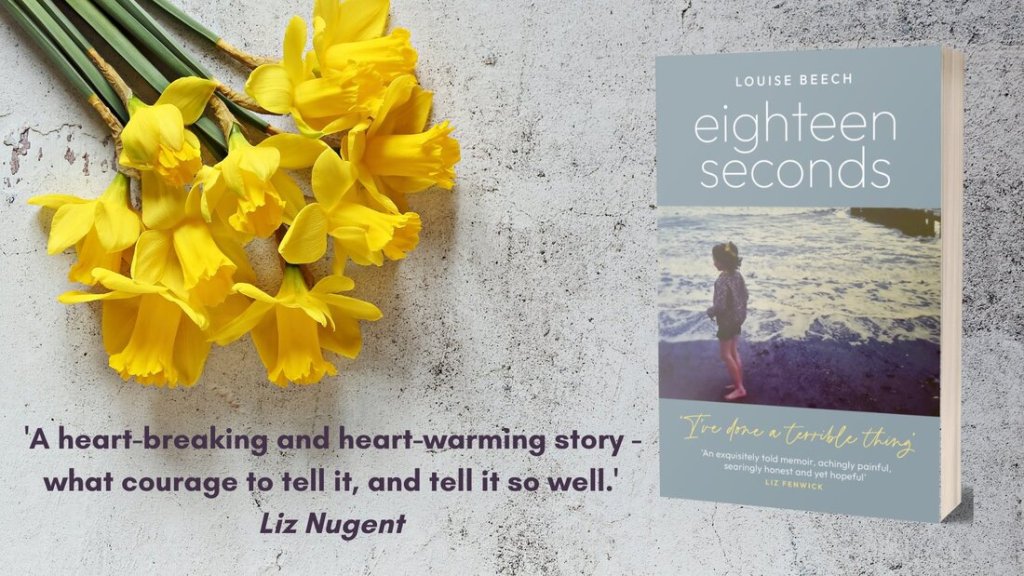
In the book I explore a life shaped by my painful childhood. I decided to be brutally honest about my flaws, about my promiscuity as a young woman following childhood sexual abuse. About my eating disorders and insecurity and difficulty trusting men. A memoir of this kind must never shy away from the truth, from the fact that I have emerged from trauma marked, with many imperfections and curious coping mechanisms; don’t get me started on not being able to go to bed and leave the sofa cushions in a haphazard manner. But trauma, while being a reason, is never ever an excuse to hurt others. I’ve recently read a variety of blogs and articles where cPTSD sufferers have blamed this condition for their abuse of others, for their illegal behaviours, for their lies. This shocked me to my core and had me down a rabbit hole of cases where trauma is used to avoid taking responsibilty. This brilliant piece in #PsychologyToday explores the idea: Trauma is Not an Excuse.

There’s a big difference between blame and explanation. Being diagnosed with cPTSD is never a free pass to hurt others, or an excuse to indulge in illegal or violent behaviours. In the link I shared above, Katherine Cullen describes how trauma is any experience that overwhelms our ability to cope and undermines our sense of safety. It can rob us of the belief in our ability to heal, trust, live, and love as we did before the traumatic experience occurred. However, it’s not an excuse for perpetuating harm, nor a get-out-of-jail-free card for causing pain to others. She gives great examples of such cases. A woman who tries to shirk blame for cheating on her partner because she was sexually assaulted in college, says this causes her inability to get close to one person. A man who argues he can’t be held responsible for manipulating women because childhood abuse has trained him to treat women in such a manner. A person caught in a web of lies tries who distracts from the harm their deception causes by portraying themselves as broken by trauma and therefore innocently unable to predict the negative outcomes of their lies.
If my experience of trauma/cPTSD causes me to steal the drugs I need for my habit, or to dominate, control and abuse my husband emotionally/mentally, or to compulsively cheat and lie, or to neglect my children, then that is on ME, and I’m no better than the abuser who initially caused me such pain. The cycle goes on. I am them. Indugling in such behaviours is on us as a person, not on the experience we had. According to Katherine Cullen, the prevalence of violence in those diagnosed with PTSD is about 5 to 12% which suggests to me that (thankfully) most of us who experience indescribable difficulty do not hurt others. And so is it about character? Do this small number of people who continue abuse suffer with something other than PTSD? Narcissistic personality disorder perhaps? But that deserves a whole piece of its own. Whatever the case, it should be about accountability, attempting to heal (I’m well aware that this is a LOT easier said than done), putting right what may have been wrong, and compassion for not only others, but for ourselves and for our many flaws.

