Thank you for the music…

Music was a huge part of my childhood. It was one of the first things I heard, and not from the radio or a record player, but live, in the house. My father was a musician alongside his job as an engineer. He played in local bands, and even jammed with Mick Ronson. He played support to some big bands in the 70s too. Some of my earliest memories are of him playing his guitar in the front room – a room reserved for these instruments, all hanging in a row on the wall, and where we kids had to be quiet and well-behaved. I recall being fascinated by how his fingers, which moved so deftly across the strings, made that music. He tried to show me once but I couldn’t do it. Holding a pen was my way of creating that music.
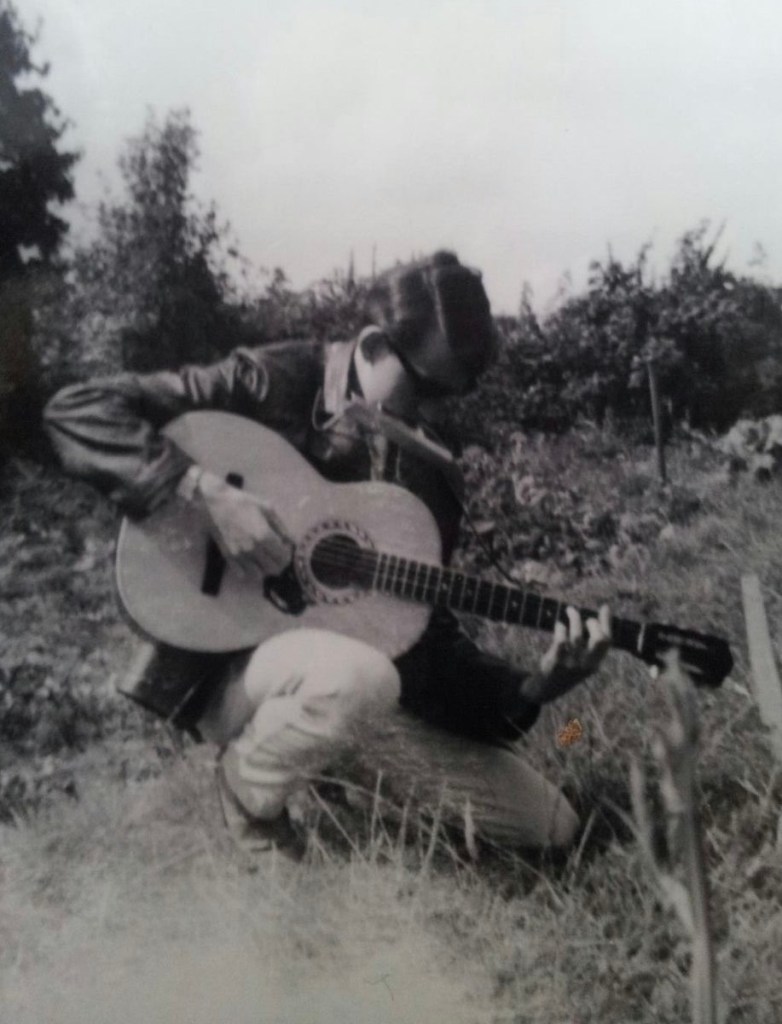
My father aged around ninteen, learning his craft.

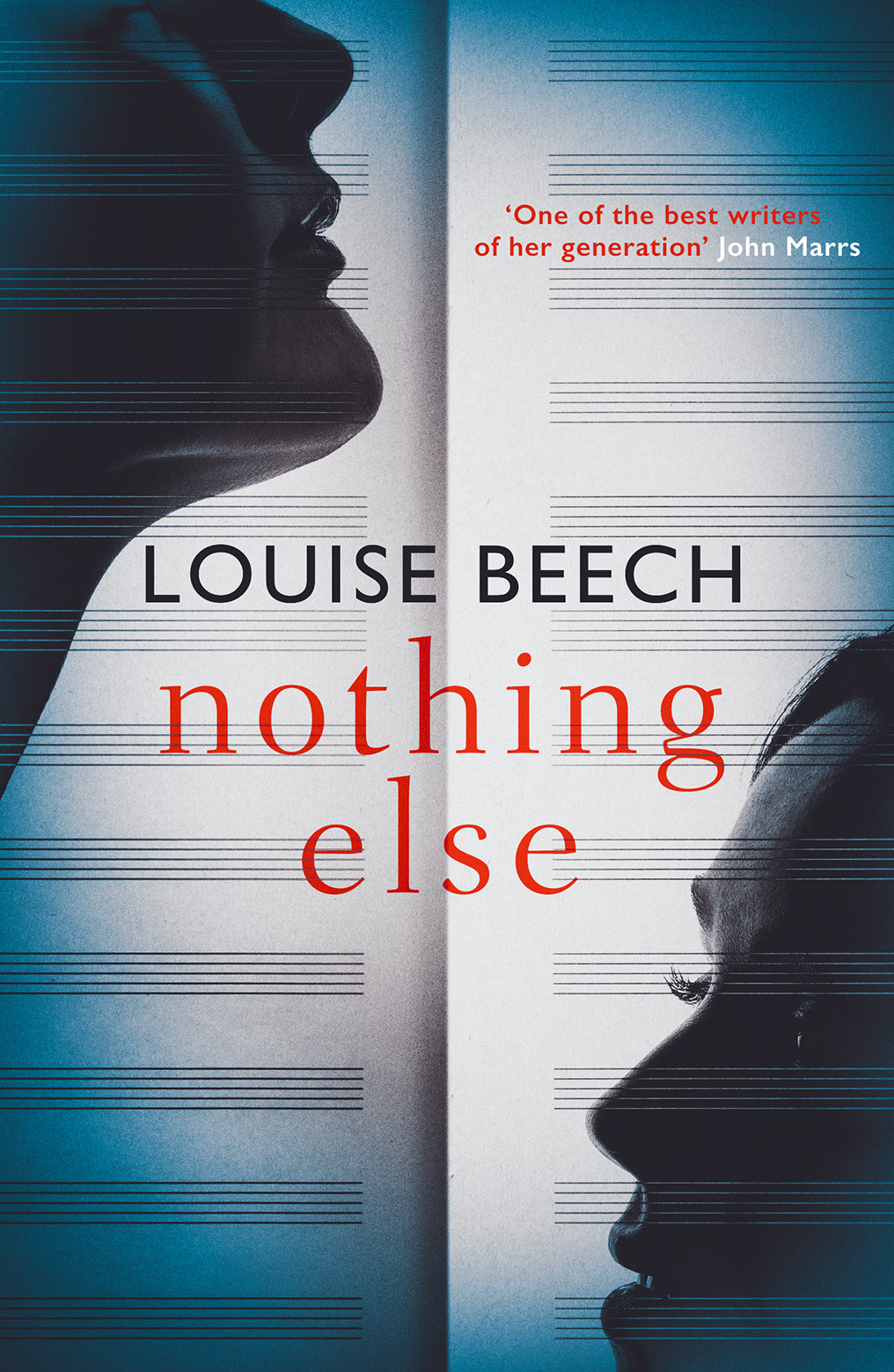
I learned early on how music could affect mood, what it maybe said about those playing it. Why they had chosen to listen that song, at that time. Was it to uplift, to escape, to drown out things they didn’t want to hear? The songs that my parents played in our house were varied, from my mother’s favourites like Abba and The Beatles, to my father’s choices, which were everything from pop to classical to rock to folk. This has made me very open-minded with music, giving everything a go. And it’s given me a deep appreciation of the power of it. Which is why I wrote Nothing Else, last year, during one of the many lockdowns. I wanted to explore how much music means to us, not only for pleasure and escape, but as a literal life-saver, as is the case with the story of Heather and Harriet, and their need to create a piece that drowns out the violence in their childhood home, a piece that doesn’t work when only one of them plays it. When they tragically lose one another after their parents die, they are haunted by this song, and long to find each another and play it together once again.

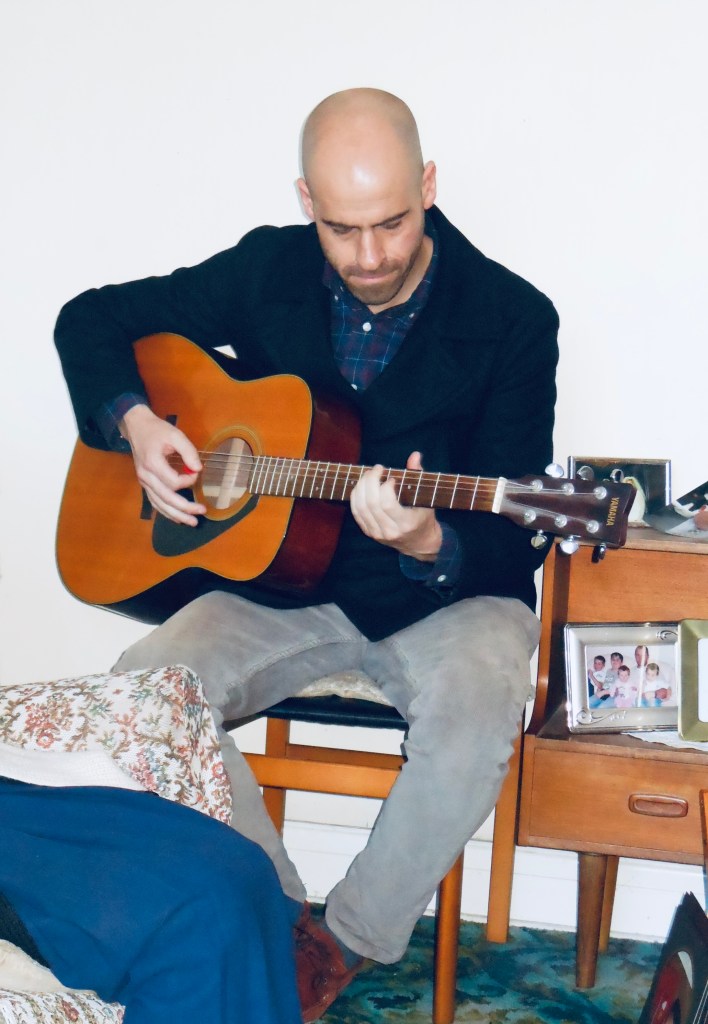
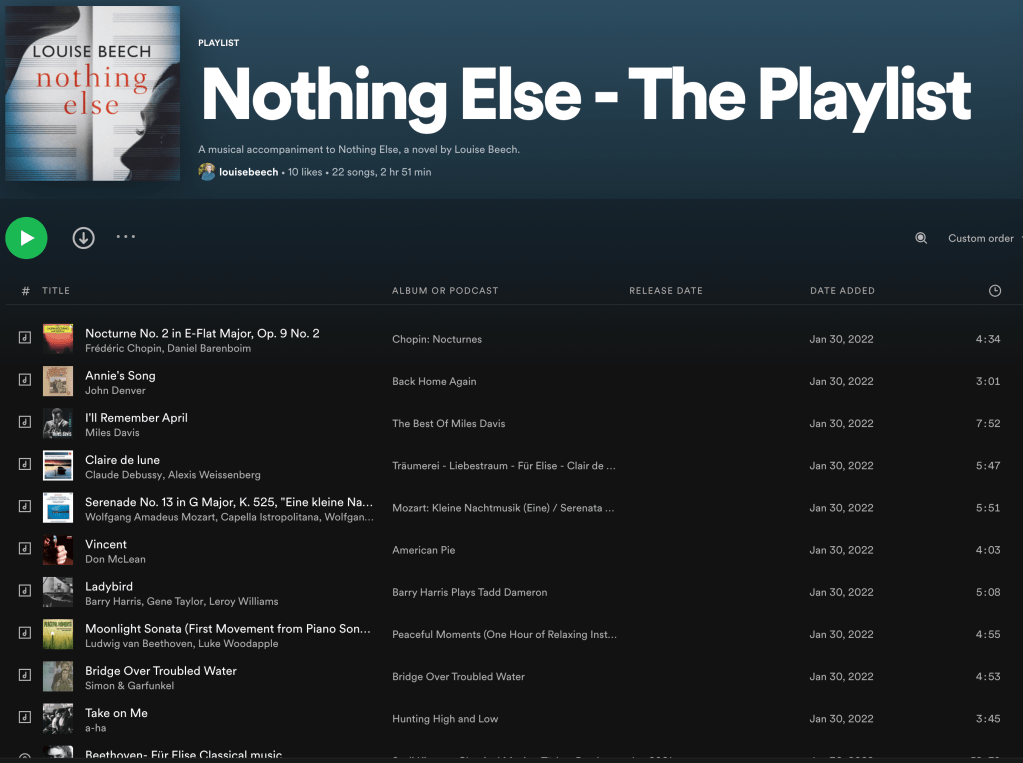
While writing Nothing Else, I created a playlist on Spotify of all the songs that are included in the book, some from the sets that Heather plays aboard the cruise ship, some from music she likes to listen to, some from the references to moments she is inspired. I found that listening to the music I was talking about created the mood I needed. Even on my morning walk, when I was trying to empty my mind and let the ideas in (how I always write, rather than plotting heavily), I listened to this playlist. I lived the music my characters were playing. Even when writing my less musical books, I always have a couple of albums that I play while I write, ones I later associate with that creation. It’s funny because I’ll hear those tracks years after and it will remind me of the fictional characters I invented as thought they’re real people. How about you? Do you need music when you write? Do you prefer silence? It’s always such a personal thing.
An Overwhelming Response to Daffodils

I wanted to write a little something in response to the overwhelming reaction I’ve had to my memoir, Daffodils, which came out in audiobook three weeks ago. When I sat here at the keyboard, during the first lockdown – which many will agree was the most intense, being a new experience – and started to write my own story, I never thought I’d dare share it with the world. It was originally intended as a cathartic sort of therapy. As a way of unearthing memories and facing the things that have haunted me since I was small. Then, as I came to the end, I wondered how many other people might have experienced what I had, and how helpful it might be if I bared my life, utilised my platform, and used my voice. It was a long journey to audiobook – and I still hope it will end up in paperback, so watch this space – but here we are, and what a reaction. Let me tell you a little about it.

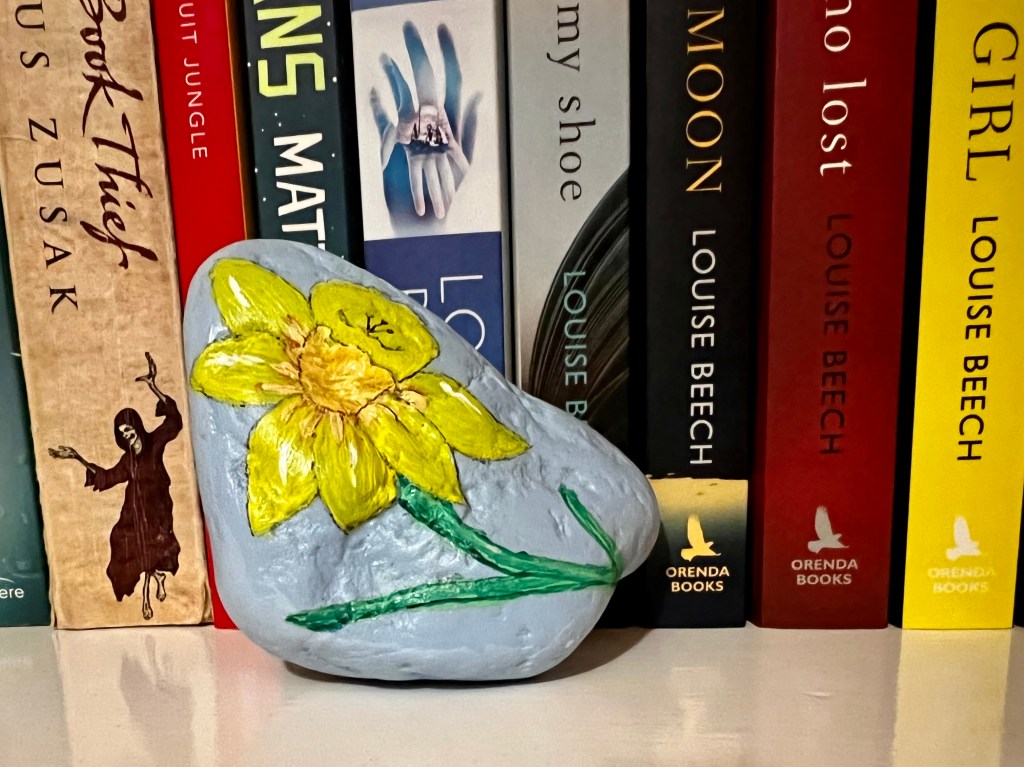
In the last three weeks I’ve been inundated with private messages, emails, gifts, cards, and even handwritten letters from readers, reviewers, relatives, and friends. I’ve been sent daffodil keyrings, bags, scarves, prints, doormats, and glasses. I’ve had people send pictures every time they spot a beautiful group of daffodils. These gifts have made my day – I’m a big kid at heart, you see – but it is the words people have shared with me that mean the most.

I’ve received messages from women who also have tricky relationships with their mothers, who either shared their experience of ending things/coping, or said that they were glad someone was actually talking about such a taboo as – for want of a better word – divorcing your own mother. I had the loveliest letter from a lady who knew the trauma of childhood abuse and having a narcissist mother, who has now made her life about helping others. I got a message from a woman who had just adopted a little girl who displayed many of the traits I had as a child in the memoir, who said she would now know how to help her daughter as a result. I’ve read tweets where listeners to the audiobook shared their tears, their difficulty, their support of the memoir. It’s been uplifting, empowering … and yet also surprisingly exhausting.

The exhaustion is because of the many emotions all at once. There has obviously been joy at touching people like this, at starting conversations that I really wanted to. There has been pride in the praise of my memoir, and it’s apparent bravery (I don’t always feel like that). There has been pain in hearing how so many others have gone through similar difficulties; I tend to take on such sorrow, very deeply, so have had to be good to myself. And there has been, still, even after all of it, sadness that I even had such a story to share, and that my family has been through so much. But, despite all that, you’ll still get the smiley me, because laughter has been as much of a therapy over the years as writing has. Thank you to every single person who sent a gift or a word or a collection of them in the form of a review. I’ll never forget any of it.

My lockdown books…

Nothing Else is what I call one of my lockdown books; lockdown literature might be a catchier phrase. I wrote three during the various lockdowns of 2020 and 2021, two novels and my memoir. What else was there for me except my writing? My theatre was shut, there were no physical book events, and we had all come inside. I got lost in my words, and naturally my experience of a pandemic infiltrated some of these stories, the isolation meaning I depended on music, reading, and writing.

Nothing Else was the third of the three books that I wrote during that time, and I started it in the deepest, darkest lockdown, the last one that was from January to March 2021, when we were all exhausted and fed up and done in. It followed my memoir Daffodils (out in audiobook 1st April) which the first lockdown interrupted and ended up becoming part of the narrative. It also followed a novel I can’t talk about yet (soon!) which explores a future world where all fiction is banned. I think you can see how that time affected me? These are some of the posts I shared when I wrote my dystopian book:

The themes in these three books were quite similar; the importance of the arts in our lives, something the lockdowns destroyed in many ways. Daffodils explored my own story and touched on the power of writing throughout my life – how it’s something I’ve turned to since I was small. In the next one (I can tell you more soon!) l created a world where we could no longer write or read novels. And in Nothing Else I looked at the extraordinary healing and transformative magic of music, and how it helps two young sisters cope when their childhood home is consumed with violence.

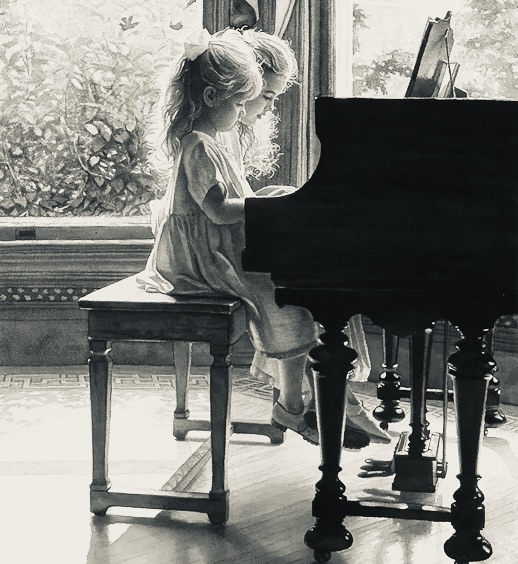
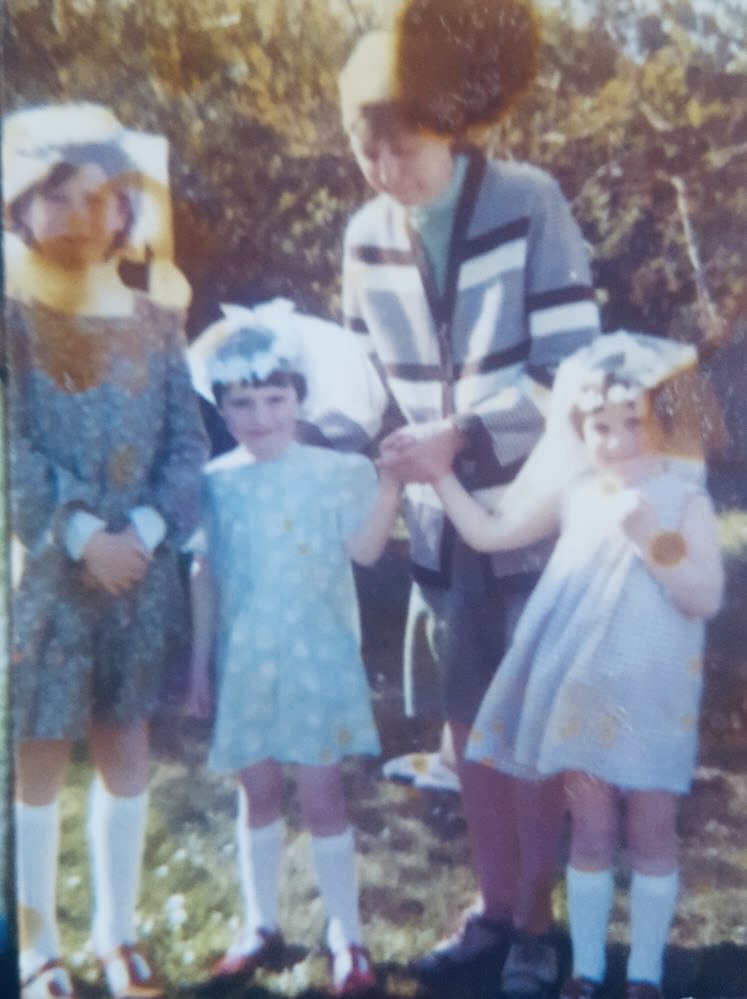
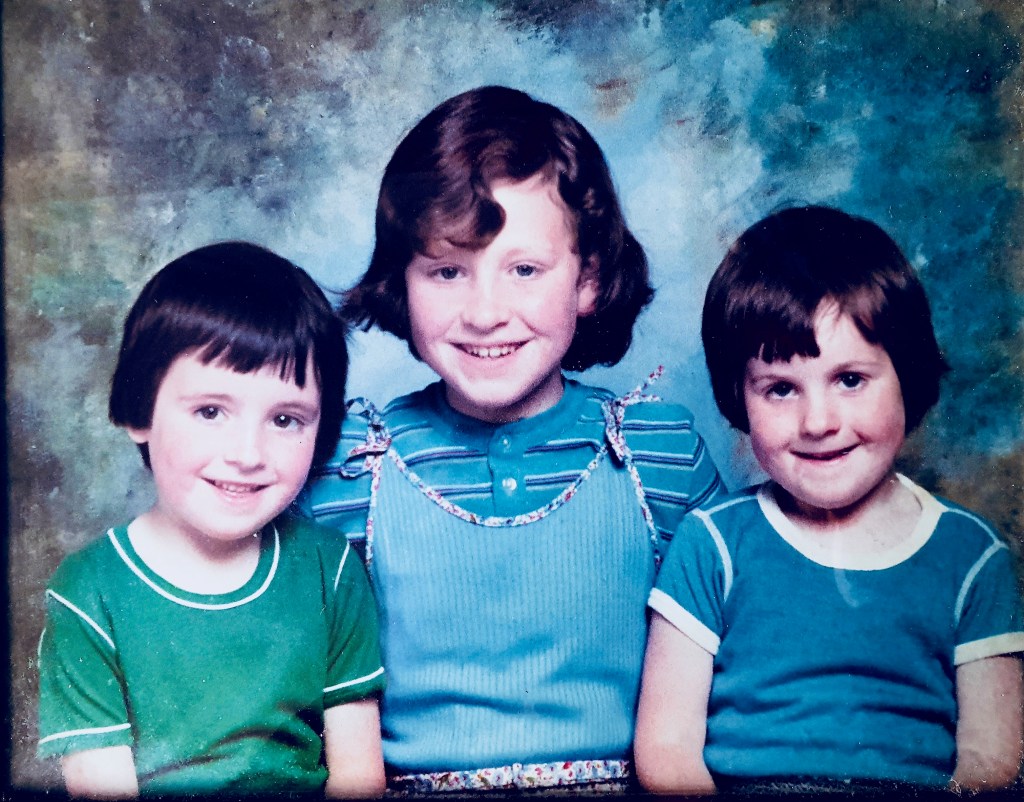
I realised that I’d never written a book about sisters. In fact, they rarely even feature in a small way. It occurred to me that this was quite odd. I grew up with three siblings, two of them sisters. Yet I seemed not to give this wonderful relationship to any of my characters. My siblings have been there for me in a huge way all my life. I told a tale of two brothers in The Lion Tamer Who Lost – not that it worked out that well! so I wanted to write about the wonderful bond between sisters. Heather and Harriet in Nothing Else are very close. So, when circumstances separate them in childhood, it deeply affects the rest of their lives. The one thing they both remember vividly is a song they created together, one that drowned out the battleground that was their home. These are two (sadly, slightly ruined) pictures of us sisters (and our beloved grandma) when we lived with her. Claire and Grace learnt to play the piano, and were very good, but no one pushed them to continue.

Music is such a huge part of the new book that I created a Spotify playlist especially. It’s quite a mixture. As a pianist, Heather plays most of them at some point in the novel. The others are songs that she loves or is inspired by. Here’s a link: https://open.spotify.com/playlist/7zxfUegPjGhWag4tnznizw?si=03ad81cedc9f4288

Awash with yellow…

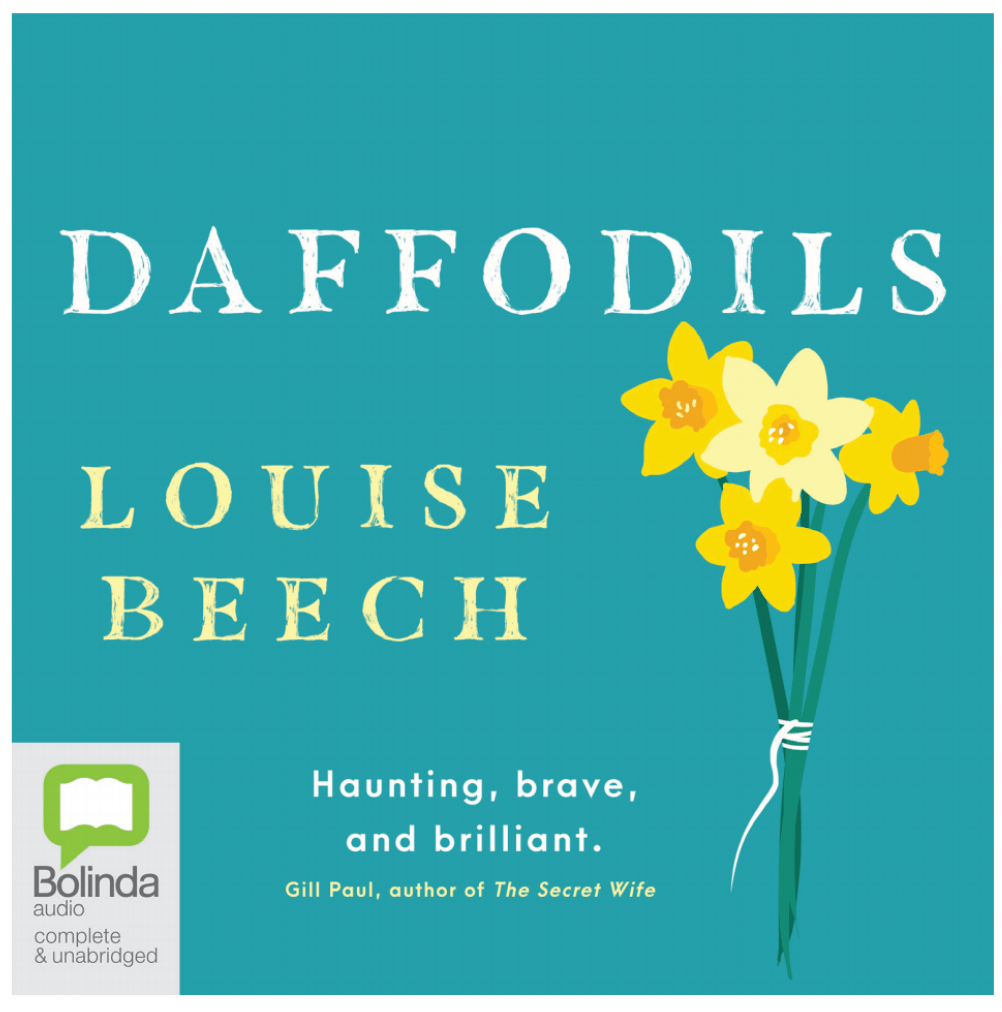
I’ve been so excited this week to finally share the cover for the upcoming audiobook release of my memoir Daffodils – the image is beautiful, simple, the colours bright, and the bunch of daffodils perfect. Here it is again.

I started writing the book at the end of 2019, after my private world fell apart, and just before the outside world shut down due to Covid. The process was terrifying, empowering, eye-opening, and ultimately life changing. I was forced to address aspects of my childhood I’d never fully explored, to dissect the complex relationship with my mother, to deal with the unexpected consequences of that, and of course to look fully at the day my mother jumped from the Humber Bridge. I made big decisions about my life now as a result.

My ‘official’ Daffodils picture, taken by my sister Grace.

I shared my journey writing the book both here on my website and on social media; how I used my recently acquired care records to flesh out the gaps in my memory, how I recorded my siblings’ thoughts and recollections, and those of my uncle, and incorporated those aspects too, how I coped with the aftermath of my mother’s bridge jump, and how the pandemic unfolded and became part of the narrative halfway through.

An extract from my care records.

Two and a half years ago, here, I shared the photograph I took of some early daffodils the morning my mother jumped. That post had more views than any I’d written before. As a result, I got the most supportive messages from readers. When I did literary events and festivals that year, people gave me daffodil-inspired gifts and cards. When spring arrived, followers sent me pictures of first daffodils they had spotted. On my fiftieth birthday I got so many daffodil related presents that the house was awash with yellow. I’ll never forget these kindnesses.

Madeleine Black, who shared her brutal childhood rape and the years of recovery in her book Unbroken, often encouraged me to write my own story, particularly after she read Maria in the Moon, a novel I call the memoir I could never write. Madeleine is an author and public speaker who has encouraged so many women to speak out about their experiences. We did some #metoo panels together, became close friends, and I kept saying ‘Maybe one day’ when asked if I would forsake my fiction in search of a deeper story.

Madeleine and I doing the Clear Lines Event in London.

That day came nine months after my mother jumped off the Humber Bridge. I knew this violent act that tore the family apart was a starting point for the memoir I’d always wanted to write. It’s great that we are talking about suicide and mental health far more today, but we often forget the families of those who want to die; the fallout and pain that they too experience.

The picture I took the morning my mother jumped…

Writing my own story was a completely different experience to writing novels. I can hide behind the words in my fiction, but here, there was no such safety on the page. My siblings and uncle read it as I went, chapter by chapter, as did Madeleine Black. John Marrs – another dear author friend – read it as soon as I’d finished, when it was raw and unpolished, and gave helpful feedback. Later, other writerly friends Susie Lynes and Gill Paul read a more refined version. Now the book is finally released in audiobook on 1st April. I’m excited and yet nervous for people to listen to my story. I hope it will inspire other survivors to finally find their voices too. And I hope the peace it has given me to write it continues…

You can order the memoir here:

https://shop.bolinda.com/aus/search/newreleases.aspx?/1/B37316E9-E2C8-4933-A553-E6D40F5F7885/1/138/1/0/0/1/1/28/05%20January%202022-05%20April%202022

Multi-Writing

At the moment I barely have time to write this blog post. And yet here I am. So, shut up, Louise. Understand, I’m not complaining about my lack of time. God, no. I’m doing the thing I love, the thing I’ve waited my whole life to be able to solely do. I’m doing exactly what I’m supposed to be. But I am tired. Many writers will understand this. You can love what you do and still be exhausted by it. Because I give every bit of myself to my writing – my own experiences, my heart, my soul – and because I like to research in detail to make sure things are right, and because I’m a super self-critical editor, I end up, at times, deflated like a balloon afterwards. Like if I write a single word more, there will be nothing left. But there is. Every time. Thank God.

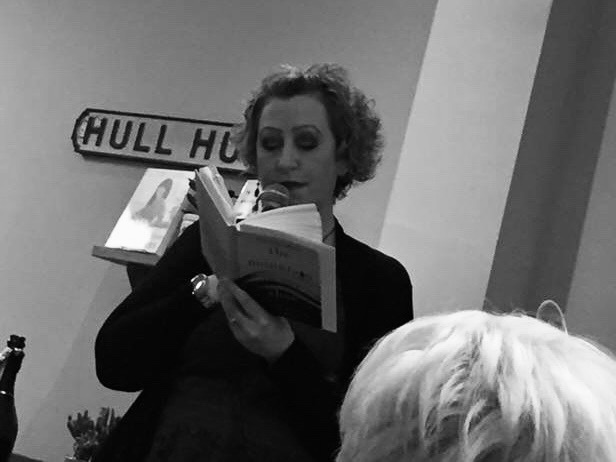
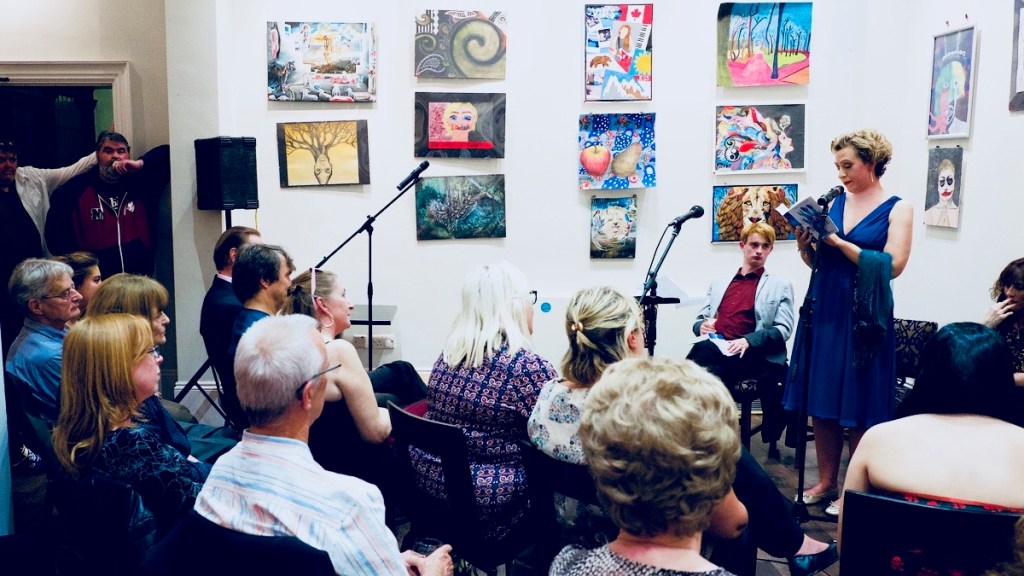
One of my many career highlights – reading at a Hull City of Culture event in 2017.

It isn’t so much multi-tasking as multi-writing. Again, I’m sure many writers will identify with this. We’re very rarely ever working on one thing. At any given moment, we are thinking of the next book (I just wrote the first line to what might be book twelve) and editing one that is due out in a few months and writing one that is due out in two years and proofreading one that is due out in a year. Complicated? I know. We live a million lives in one day. Who wouldn’t be tired? But, still, I’m grateful every single day that I’m here. I look back – when I get a breath – at all the amazing things that my writing has meant I’ve done; the events, the launches, the people I’ve met, the friends I’ve made. And I feel absolutely blessed.

Today, for example, in my multi-writing, I finished the first draft of what is the second in a two-book deal, that is technically book eleven. I swore when I gave up my job in the theatre five months ago (I have no idea how I managed to do that alongside the writing for so many years) that I would give myself weekends off, but it turns out I’m a whip-bearing Britney-esque boss, and when I gotta work, I gotta work, bitch. I wanted to finish this first draft because tomorrow I start complex structural edits for what will be book eight, out in June, and I need to concentrate on that. Especially when the proofread of what will be book ten (I think?) next year could arrive at any moment, and never mind my memoir audiobook looming. Again, not grumbling, not for a moment. Just sharing. Because I know so many other writers work like this. Readers often ask, is it a life of luxury, of writing for an hour or two, and then lunching and doing literary events? Erm….

Doing Aye Write in Glasgow in 2017, one of my first Book Festivals.

No matter what my workload is, I get up in a morning excited to get to it. No matter how many projects I have on the go, I’m passionate about each and every one. I can’t write something I don’t believe in. Because I only have to remember the ten years of rejections. I only have to think of how long I worked for this, how much it hurt when no one wanted to publish my books. But, sometimes, when you do give so much of yourself to every page and every word, you have to remember to give a tiny bit to yourself too, and I’m not always so good at that. So I’m typing this last sentence, and I’m off to have a cup of tea and a Jaffa Cake, until I start all over again at nine tomorrow. See you there?

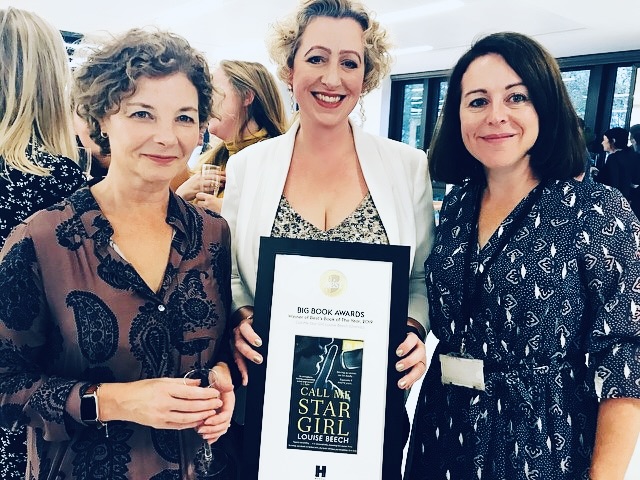
Winning the Best magazine Book of the Year in 2019

So how can I not write?

I saw an interesting comment the other day where a writer said that when a man produces a great many works in a short time, he’s called prolific – in essence, he is admired for it – but when a woman produces such epic volumes, she is ‘churning them out’. This likely could be referring to the long ago days (though scarily, not as long ago as we think) when women often had to change their very names to be published. But still, it got me thinking.

Do I churn, a word that suggests a lack of care? Am I prolific? Am I the machine I’m often called? Whatever term you use, I certainly write a lot. I saw many an author friend struggle with their creative ability in lockdown, facing the empty screen, tormented by writers’ block. I felt bad that, for me, it still freely flowed. I was tempted not to share my progress when others found it difficult, but then I decided that maybe chronicling my word count might work as inspiration, be helpful in some way. I wrote two novels and a memoir during those dark days. How? Because writing isn’t just writing for me. There is so much more to it than that and this morning – on my riverside walk where so many ideas and plot themes and lines have come to me over the years – I started thinking about that. Really thinking about it. You should too. Here’s what I realised.

Writing is the one place in the world I can be absolutely vulnerable. I know that a few reviewers have said how emotional my stories can be, how I tap into pain and tragedy and life, how I create layered and sensitive characters. One blogger said that I delve below the surface to shine a light on qualities people fail to see, and smash through stigma, ethical dilemmas and cultural norms, with compassion.’ If I do any of these things – and I really hope so, that would be marvellous – then it’s because I write how I can’t be. I rarely let my guard down in real life. I’ll be the one smiling, making sure everyone else is OK, but you’re not likely to see me truly opening up. You might think I do, because I’m a chatterbox, but that’s about two percent of the truth. If you want my truth, you’ll find it in my fiction. On the page. Aspects of my experience and personality and thoughts colour every word. But isn’t that the case for all of us?

So I’m not churning – or even prolific – I’m exploring, releasing, processing. And there was a hell of a lot of that to do during a worldwide pandemic, in abject isolation, with both of my children far away. This is not say that writing isn’t work. It is. It demands a lot of me. And I’m a self-critical perfectionist too. But writing is also the companion I’ve had since I was eight. And now – I realised on my windswept, rainy walk – writing is my mother. I think it always was. It listens to me when I need to vent. It considers my feelings and lets me turn them into something greater than me, something others might find comfort in. It pats my head when I do well, and insists I work harder when I need to do better. It’s there. Always. So how can I not write?

Rejections, I’ve had a few…

Rejections, I’ve had a few. More than a few. It’s definitely in the hundreds, possibly even in the thousands. I’m an old pro when it comes to the no, when it comes to the nothing, when it comes to the we do like it but sorry it’s still a no. I could never decide which I preferred. The quick and absolute no, which has you thinking, ‘Wow, my manuscript really must be bad,’ but at least you know where you are and you can sulk and swear and then move on to the next. Or the nothing, the no response at all, the ghosting that has you wondering if you even exist, if you ever existed, if in fact you’re a figment of your own imagination, one that isn’t quite good enough to hook an agent or publisher. Or how about the ‘we do like it’ that is still a no, and leaves you hopeful but yet disheartened, like an X factor contestant who met Simon Cowell.

A positive rejection for The Mountain in my Shoe, which was published three years later…

I guess I want to offer hope to any writers in this early part of the journey. To say hang in there. To say that a no now doesn’t mean a no forever. To say that it is all a normal, natural and really essential part of the publication journey. It toughens you up. Prepares you. My very first rejection (for a short story, about eighty years ago) made me cry. It felt … cruel, thoughtless, wrong. But it’s not you, it’s me, as they say. Really, it is. It was. Because I was too sensitive. And my story wasn’t good enough. I tried to remember that. Use it. I worked on the story and eventually it was published elsewhere. I used that rejection, that hurt, and turned it into the fire behind a desire to improve. I turned my rejections into fuel.

Written after another rejection of my book. It would be accepted three months later…

There will of course be unfair rejections, ones that you know were because you didn’t have enough followers or were a ‘nobody’ that will sell bugger all or weren’t quite right for that agency/publisher. I had a rejection for the book that eventually became my debut novel, How to be Brave, from an agent who said that ‘if I didn’t know language, I shouldn’t write’. It was because it was a very hard book to pitch, being both fiction and fact, both set during the present day and during WW2. But I knew these were unfair words. I knew language. No one could tell me I didn’t. By all means, reject a book, but don’t tell a writer not to write. It was actually my best ever rejection. Because it cemented my determinaton to be published and the self-belief that I did know language and I would write.

The launch of How to be Brave. A happy, happy, long-waited-for moment…

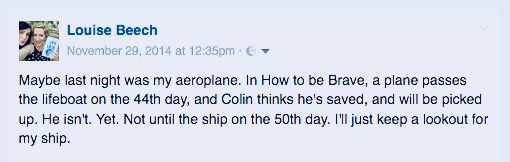
How to be Brave was the fourth book I’d written, all of the previous three having been rejected over a period of eight years by every single agent and publisher. Many people asked me how I went on, how I wrote a fourth book when those before had been turned down everywhere. It was a mixture of anger (how dare they all reject me?) and self-belief (I’m a writer, I am, it’s what I’m supposed to be doing) and pure love of the craft. If you’re sending your work out now, stay strong. You only need one yes. A million rejections disappear with that single acceptance. Perfect your manuscript. Get beta readers to review it. Edit it again and again and again. Then make sure you research if that agency or publisher is right for your work. Write a cracking query letter (see my previous blog piece for that) and keep going. If I hadn’t, I would not have ended up published. It’s that simple. Every single book on a shelf in Waterstones is there because that writer didn’t give up. And good luck.

Maids, Mothers … and Memoirs…

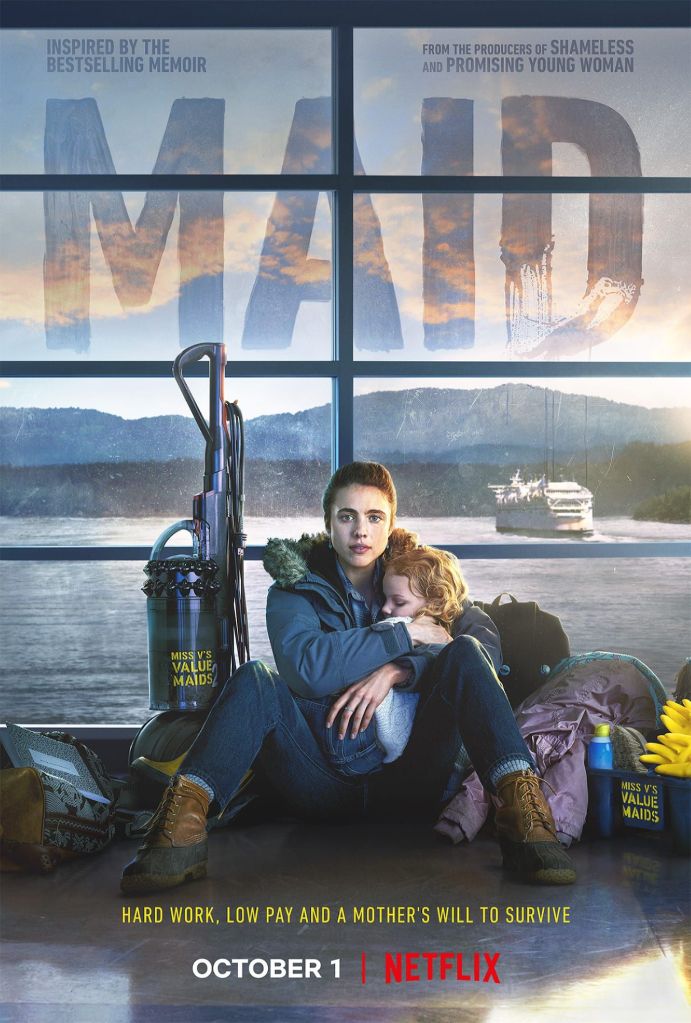
The new Netflix series, Maid, which is inspired by Stephanie Land’s memoir, touched me on many levels. It’s written by and about a struggling single mum who is determined to keep a roof over her daughter’s head. She works hard to climb her way out of poverty, scrubbing the toilets of the wealthy, navigating domestic labour jobs as a cleaner, whilst also juggling higher education, assisted housing, and a tangled web of government assistance. I not only grew up in a house with a single mother from the age of eight, but I became one aged nineteen when I got pregnant in the middle of my A level exams, while still living at home and sharing a bedroom with my two sisters. The father was gone three months later, before my son was even born.

I got on the with all that was required to become a lone mum; I put my name on the council housing list, saved every penny I had in my long hours as a waitress, where I worked until three weeks before giving birth, and started reading all the books I could get from the library about labour. I knew how to look after babies. I’d been mothering my three younger siblings since I was four and our mother went in and out of mental homes, and we in and out of care/orphanages/my grandma’s house. But birth sounded terrifying.

My son Conor was born in January 1991. So began the hardest, but most ultimately rewarding seven years of my life. Being a single parent. Back then there was no help with childcare and no tax credits, and his father didn’t pay any maintenance until CSA became law eight years later. I relied solely on benefits (£80 a week for everything, the bills, clothes and food for both of us) and milk tokens for Formula and eventually free school dinners. Each week I wrote a shopping list adding up the cost before I went to the supermarket. Then, like Stephanie in Maid, I totted it up in my head as I went around, putting back what I couldn’t afford. I still do it now. When we married Joe asked why, and I told him that being poor stays with you, forms lifelong, helpful habits.

When Conor was about four I got a job cleaning for an elderly lady. She paid me cash so I could keep my benefits. It suited her as much as it helped me. That £30 extra once a week meant Conor got Christmas presents and went on the odd school trip. All of my jobs – aside from my writing and when I was a travel agent for a few years – have been what you might describe as menial, and definitely minimum wage/zero hour contract. I’ve been a chambermaid, a cleaner, a waitress, an usher, a carer, and I’ve made pizzas in a takeaway. I’ve never shied away from hard work. I’ll do what’s necessary to feed my family.

I’d like to write more one day about those seven years before I met my now husband Joe and we then had our daughter Katy. I wrote my memoir, Daffodils, during lockdown but it mainly explored my own childhood and my mother’s bridge jump. My time as a single parent could fill a book of its own. Stephanie Land’s Maid shows that life is still just as hard for single parents. Societal judgement and snobbery is definitely still present. I remember being tutted at by people when I pushed my pram, being questioned harshly by the doctor, being told by older people that I should ‘be married’. Behind every single parent is a parent who left. Remember that. Judge them. I always make time to talk to young mums, to give attention to their tots, because I remember lonely days where I might not see a soul. Parenting is a hard job, doubly so when you do it alone, but the rewards are rich. When my son made me a card at school or said I was the ‘bestest mum in the world’ it made every tiring night and long day worth it.

The Query Letter That Got Me My Agent

Back in the day when I was trying to get an agent, a publisher, a fishmonger, anyone who might even consider reading and publishing one of my novels, I worked tirelessly to perfect the dreaded Query Letter. Two words that strike bowel-weakening fear and dread into even the most thick-skinned writer. I wondered, what should I say? Even more importantly, what should I not say? What should I include? Not include? I don’t know if it was an inept query letter that meant it took me eight years to get a book deal, or just that my novels didn’t fit into the right box, as I was repeatedly told.

Eventually, ironically, at the end of 2014, when I FINALLY got a book deal with Orenda for my debut novel How to be Brave, I didn’t need one. When I saw on Twitter that Karen Sullivan was starting up her own indie publishing house, I rather riskily and cheekily (two adverbs in one sentence, to show that it generally isn’t the done thing) tweeted her about my book, and she said she liked the sound of it, and to send three chapters and a synopsis over. The rest, as they say, is history.

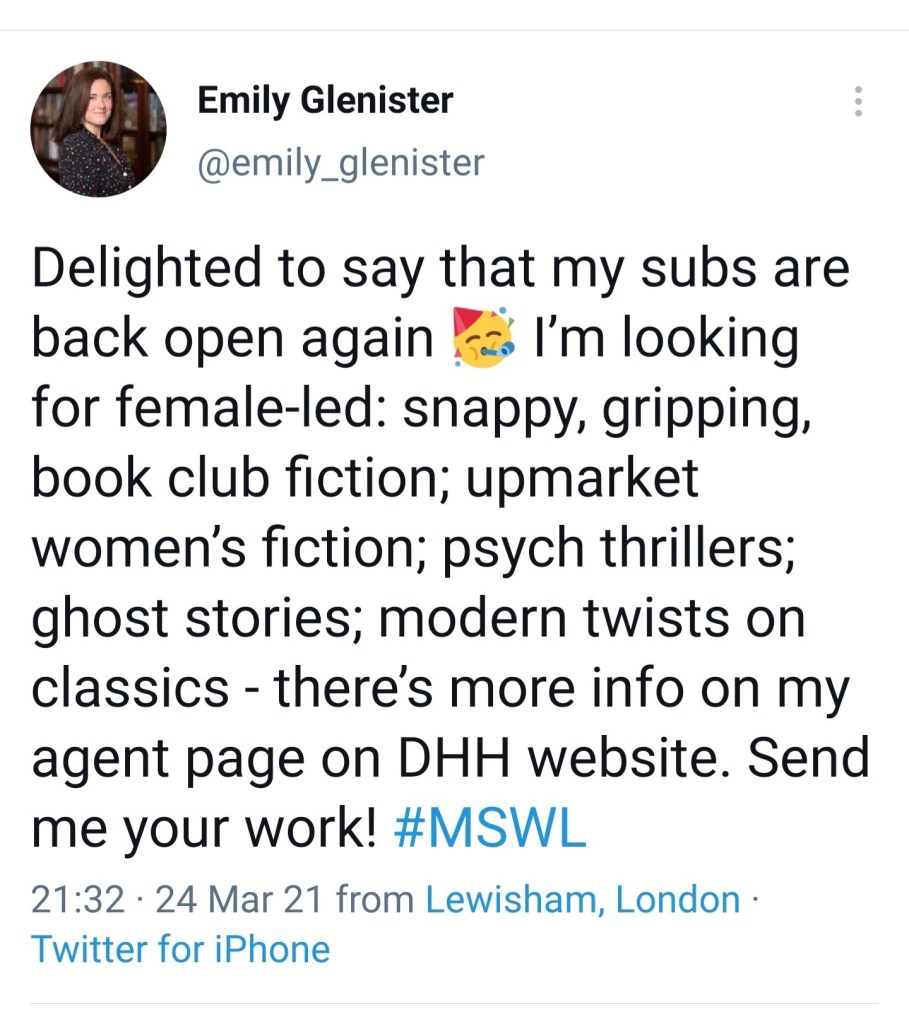
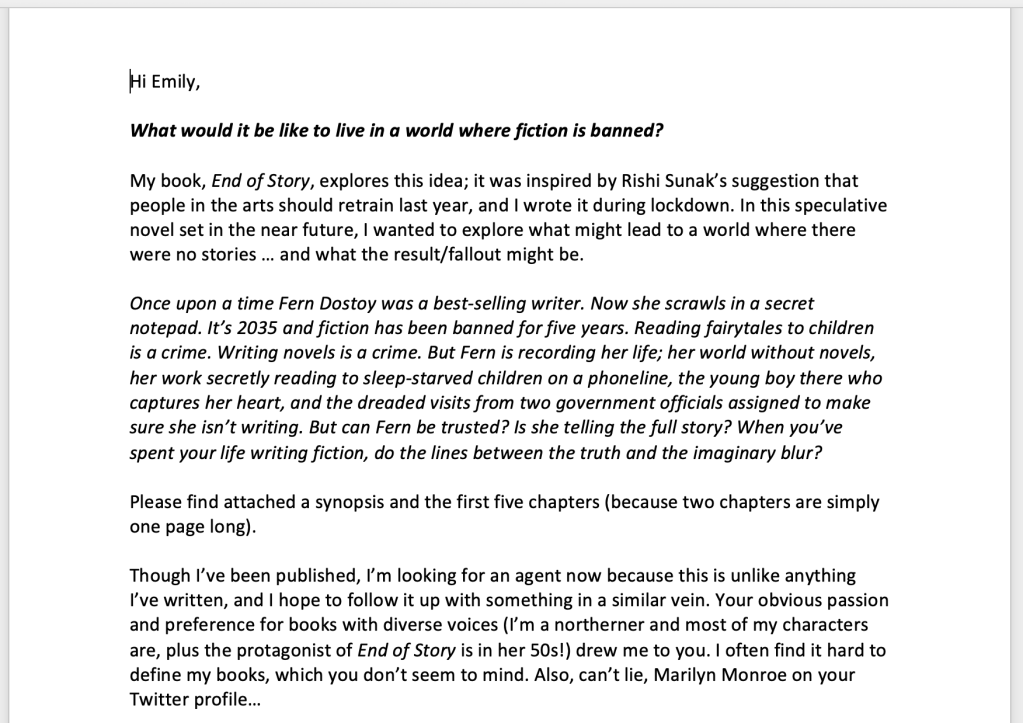
Then, during the lockdowns of 2020, I wrote two books that I knew I needed an agent for. One was a memoir, and the other was a dystopian thriller. Yes, I sort of lost my mind. So, it was back to the dreaded Query Letter. Even though I’d had six, almost seven, books published at that point, I knew I still needed the killer letter to hook me an agent. I drafted and re-drafted, drafted and re-drafted, drafted and re-drafted. Which is all good and well, but now I needed the right agent to send it to. Then I saw this on Twitter. Good old Twitter. It’s changed my life.

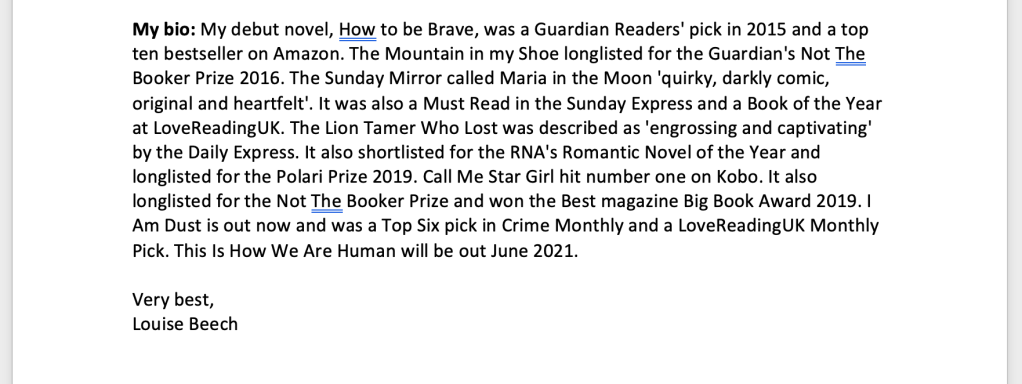
Not only did Emily’s banner (three beautiful pictures of my idol, Marilyn Monroe) speak to me, but I loved her general demeanour, and that she was looking for what I had to offer. So, with trembling hands, I tried her out with my edited-a-million-times Query Letter. She responded very quickly, and very keenly, and now she is my agent. So, would you like to see the letter that got me my agent? Of course you would. I’m not saying it’s perfect, or the only way to write them, but I’m sharing in the hope that it inspires or helps you. Good luck.

What I’ve Been Up To

What have I been up to? Well, not writing posts for my website is one thing. I hope to change that. Especially now, finally, I’m *drum roll* a full-time writer. Last week I gave up my job in the theatre to concentrate on the books. It was bittersweet, but time. I’m fifty and have never been able to afford to only write. Not sure I can now, but it feels like the right time to try. More on that soon. First … more of What I’ve Been Up To … in April, I got a new agent. The very marvellous Emily Glenister at DHHLiterary. We’ve not met in person yet (pandemics do not consider the wine plans of the Emilys and Louises of the world) but after our first phonecall my cheeky, nosy, listening-in daughter said, ‘Wow, sounded like you’d known each other years.’

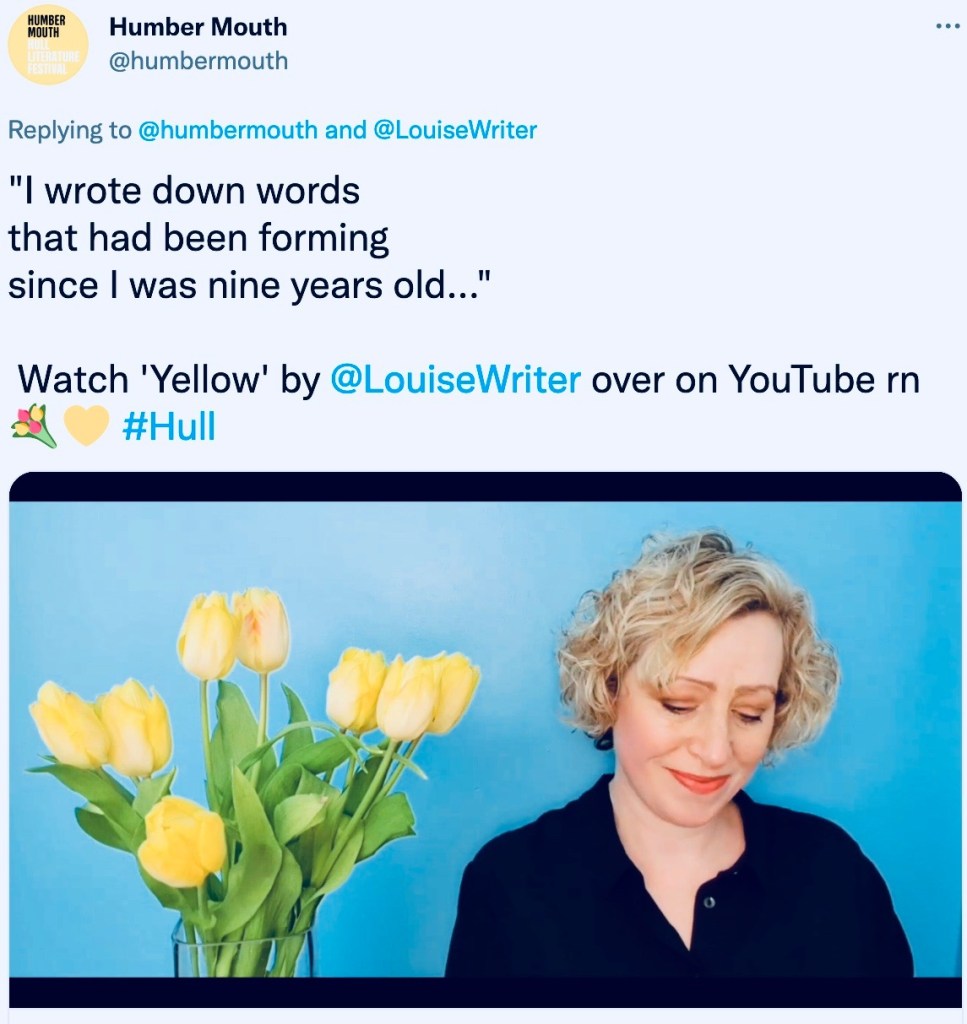
Now, on the What I’ve Been Up To list there are exciting things I can’t talk about yet. I’m not being cryptic or annoying (well, maybe a bit annoying) but new books will be happening. Vague? I know. This is partly why I’ve finally become a full-time writer. No, not to be vague and annoying, but because of new things. All I can say is that during the strictest lockdown I wrote a dystopian book. There. That’s all I can say. Watch this space. I also wrote my memoir, Daffodils, during the pandemic, and a lot of you followed my progress. I wrote a piece for the Humber Mouth Festival about that journey. And I MIGHT have some news about that in the not too distant future too…

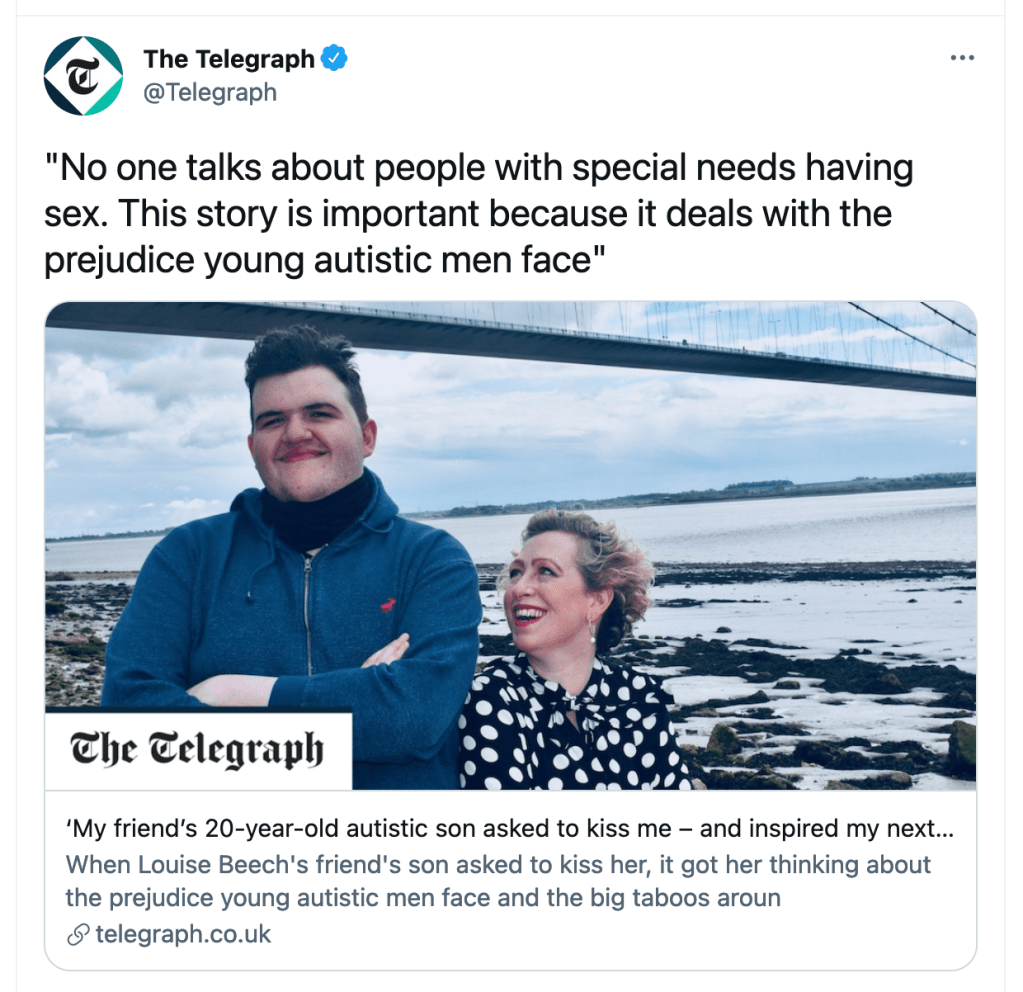
There are some amazing things I CAN talk about on my What I’ve Been Up To List … namely the incredible reception of my most recent novel, This Is How We Are Human. The supportive messages I’ve had from autistic people and ASD parents have made me cry. I was very nervous when writing it, even though it was inspired by my friend Sean, who’s austistic, and his mum Fiona, and they both helped and guided me through the entire thing. Many people warned me not to approach a topic like this without direct experience, but Sean and Fiona told me this was a story I had to write. So I did. And it’s now been a Clare Mackintosh Book Club pick, and hit the Top 100 on Amazon, amassing more reviews than any of my previous novels so far.
I can also tell you, very excitedly, that my next Orenda book will be published in June next year. I started Nothing Else at the tailend of the last lockdown. It was inspired by the love I have for my sisters. I realised that I’ve explored so many relationship in my novels – mothers and daughters, lovers, friendships, often tricky ones – but never the bond between sisters. I wondered how different my life would be if I’d lost them when we were children. Would I be forever haunted by where they had gone? Search for them forever? My main character is a pianist, so the book is also about music and its power to lift, heal, and transport. The arts as sustenance is a common theme in my stories.

On the What I’ve Been Up To list is a sub section … the What I’m About To Be Up To list. I’m excited to share that on 31st August I’ll be answering questions about This Is How We Are Human on Clare Mackintosh’s Book Club on Facebook, so if you’re not already a member, join up. On 1st September I’ll be chatting to the guys at The Writing Community Chat Show from 8pm. I’m taking part in the East Riding Festival of Words again, interviewing a couple of authors, and hopefully it will be IN THE FLESH. Look out for my new short story in Best magazine any time soon, and also for my contribution to LJ Ross’ beautiful short story collection Everyday Kindness, which made the cover of The Bookseller, and is rasing money for Shelter when it comes out in October. I’ll also be doing a local talk (in the flesh!) for the Women’s Institute, something I’ve missed so much this last eighteen months. Hopefully, I’ll be back here to share more news, more regularly, now I’m a writer. Really a writer. A fulltime, only, absolute, lifetime-dream writer.